
If you've ever sat down to a steaming bowl of curry and wondered why it tasted so much more "alive" than what you make at home, the answer is likely Thai basil. This isn't your standard grocery store herb. With its deep purple stems and a scent that punches you with anise, it's the soul of Southeast Asian cooking.
Unlike the sweet Italian basil you'd tear over a pizza, Thai basil is bold, spicy, and holds its own against serious heat. It doesn't just sit there looking pretty; it changes the entire mood of a dish.
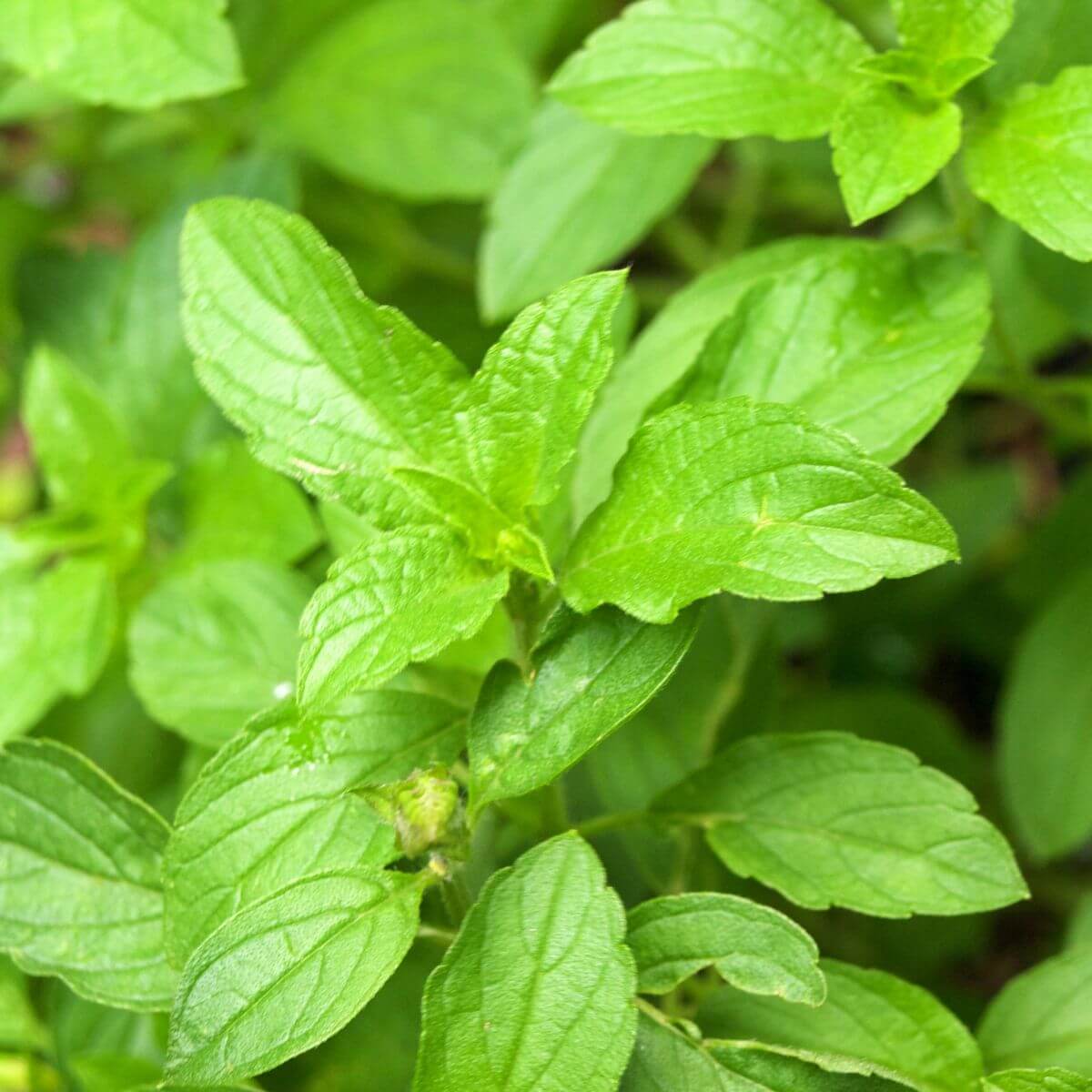
I still remember trying to make a "proper" green curry years ago. I used regular Italian basil, thinking it wouldn't matter. I was so wrong! The dish was fine, but it was missing that punchy "zing" from my favorite Thai spot.
It only clicked once I realized I needed to look for the ones with those dark, violet stalks instead of the plain green ones. Using the real deal was a total game-changer for me!
📷 Recipe Snapshot
📚 Guide: Thai Basil: How to Spot It, Grow It, and Cook With It (Guide)
⏲️ Time: Reading time ~8-12 minutes (no cooking required)
👥 Serves: N/A (informational guide)
🌏 Cuisine: Asian-inspired cooking reference
💪 Difficulty: Easy
📌 Recipe Type: Ingredient guide/cooking resource
🌟 Ingredient Highlights: Thai basil, holy basil, lemon basil, garlic, soy sauce, lime, ginger, chilies
💡 Pro Tip: Look for purple stems and a strong anise scent when choosing Thai basil - that's the quickest way to spot the real thing and get the right punch in your cooking
Jump to:
What Makes Thai Basil Different
You can spot this variety by its purple stems and smaller, pointier leaves. Thai basil is prized for its high heat tolerance. While Italian basil is delicate and turns black or slimy the second it hits a hot pan, these sturdy leaves maintain their structural integrity even in a screaming hot wok.
In Southeast Asian cuisine, the slight "crunch" of the cooked leaf is highly prized. Because it stays firm and vibrant rather than wilting into nothing, the heat can actually unlock the deep oils, intensifying that signature licorice and mint flavor.
Thai Sweet Basil vs. Holy Basil Comparison
| Feature | Thai Sweet Basil (Horapa) | Holy Basil (Krapao) |
| Stem Color | Vibrant Purple | Green or Light Purple |
| Leaf Texture | Smooth and Sturdy | Fuzzy or Hairy |
| Flavor Profile | Anise, Licorice, Sweet | Spicy, Peppery, Clove-like |
| Best Used In | Red/Green Curries, Pho | Basil Chicken (Pad Krapao) |
| Heat Cooking | Added during stir-frying | Added at the very end |
Purple Stem Basil Identification
If you are standing in the produce aisle wondering which bunch to grab, look for the "purple signal." Purple stem basil identification is the easiest way to tell this variety apart from its green-stemmed Italian cousins.
As a grower, I've noticed a fascinating detail: the purple color actually intensifies as the plant gets more direct sun. If your home-grown herb has deep, dark violet stems, it's a sign the plant is thriving and packed with flavorful oils. The leaves should be narrow and slightly serrated, unlike the wide, floppy leaves of regular sweet basil.
Chef's Tip: If you aren't sure if you've found the right bunch, give the leaves a rub and a sniff. While experts call it "anise," for most American home cooks, the scent is exactly like a bag of fresh black jellybeans. If you don't get that distinct licorice hit, it's not the real deal.
Three Types of Asian Basil
- Thai Sweet Basil (Bai Horapa) is what most stores sell as "Thai basil." It's got those purple stems and that anise taste. Use it in curries, stir-fries, and spring rolls.
- Holy Basil (Bai Krapao) is spicier and tastes like cloves. This is what goes in authentic Thai basil chicken-the dish is actually named after holy basil, not the Thai sweet basil found in most stores. If you can find the real stuff, it's a total game-changer for your home cooking.
- Lemon Basil smells like citrus and shows up in soups. It's harder to find outside Asia.

How to Use Thai Basil
- In Stir-fries: Thai basil is essential for Cambodian stir-frys and Thai street food. It provides a deep, aromatic base for my frozen veggie fried rice when you need a 20-minute meal. You can also use the leaves as a fresh side garnish for my viral pork dumpling lasagna.
- In Curries: Stir the leaves into green or red curry at the very end of cooking. This is also one of my favorite lean protein dinner ideas, as the anise aroma perfectly complements the tender turkey and coconut milk in my Thai Coconut Turkey Potato Curry.
- Fresh Garnish: Vietnamese Pho is always served with these fresh Thai basil leaves on the side. Tear them by hand just before dropping them into the broth to wake up the anise aroma.
- Thai Basil Pesto: Use your food processor to swap Italian leaves for these. Combine with cashews and lime for a bright twist that works perfectly on grilled fish.
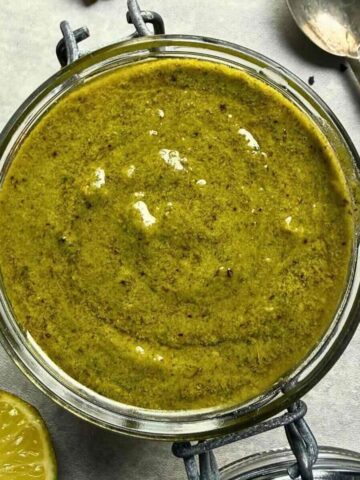
- Thai basil isn't only used in stir-fries and curries. Some cooks also experiment with it in fresh herb sauces, similar to chimichurri, where its peppery edge works well with grilled meat and vegetables.
The Stir-Fry Secret: To get the best results, add the leaves during the last 60 seconds of cooking. This is the "sweet spot" that infuses the oil with aroma while keeping the leaves a vibrant, glossy green rather than letting them turn brown.
If you're looking for a quick dinner, Asian basil is the secret to a perfect Thai basil stir fry. It is also the best way to add a fresh, aromatic punch to a homemade teriyaki sauce recipe, like the one I use in my popular pork and egg noodle dish.
Growing Your Own
Thai basil is easier to grow than the Italian version. It handles heat better and doesn't throw a fit when temperatures hit 90°F.
- From seed: Plant seeds after the last frost when the soil is warm. They'll sprout in about a week. Give them full sun-at least 6 hours-and keep the soil moist but not soggy.
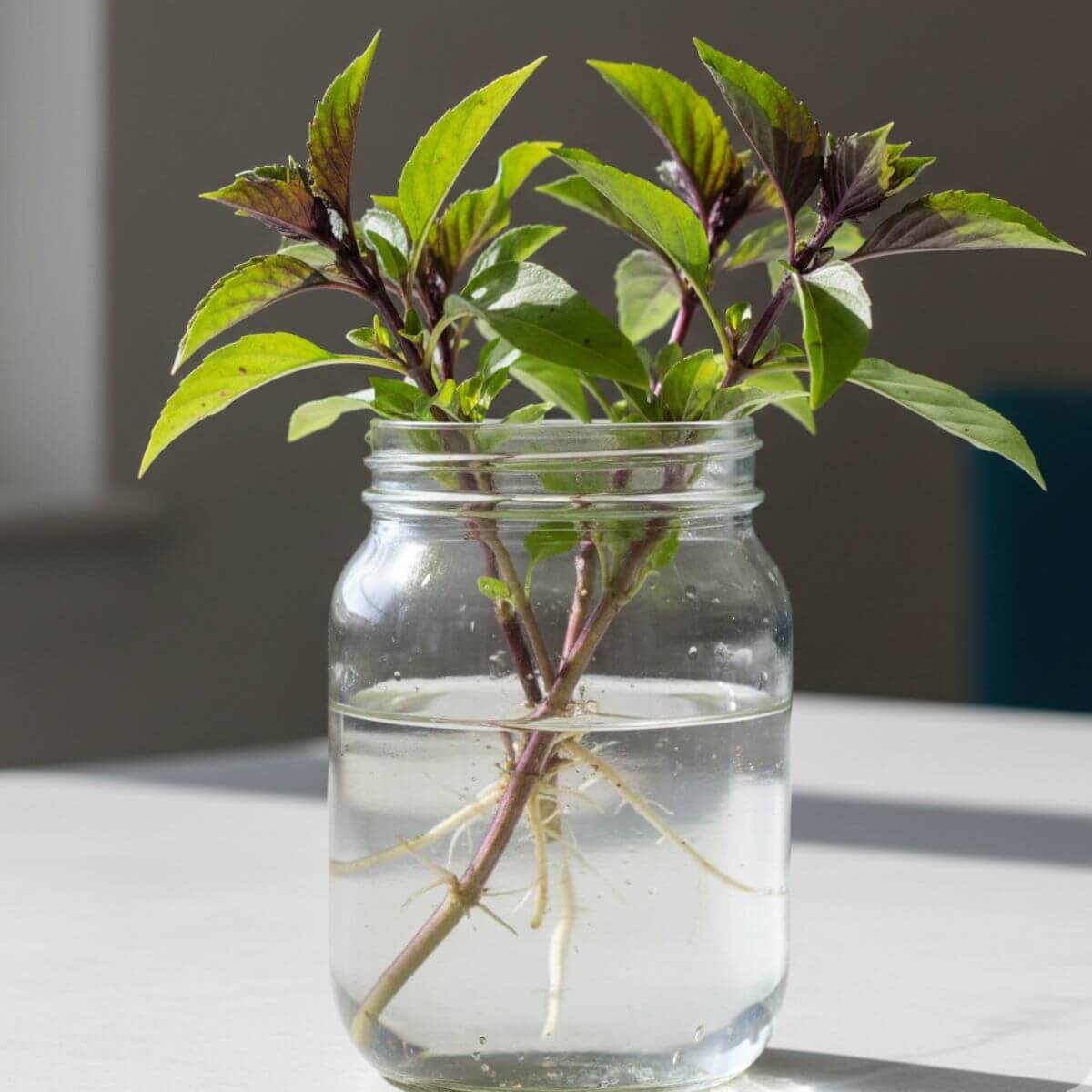
- From cuttings: This is ridiculously easy. Cut a 4-inch stem, strip the bottom leaves, and stick it in water. Roots show up in a week. Plant it when the roots are an inch long.
- Keep it bushy: Pinch off the top when it's 6 inches tall. Cut off flower buds as soon as you see them. Once it flowers, the leaves turn bitter and the plant stops growing new ones.
- Harvest smart: Cut whole stems, not individual leaves. Cut just above where two leaves meet the stem. The plant will branch out from there. You can harvest every week once it gets going.
- Growing indoors: Put it in a south-facing window or under grow lights for 12 hours a day. This Asian aromatic herb likes humidity, so if your house is dry, set the pot on a tray of wet pebbles.
Where to Buy It
Asian grocery stores always have it, usually in big bunches for a couple dollars. Vietnamese, Chinese, and Thai markets are your best bet. Some farmers markets carry it now too, especially in summer.
Regular supermarkets are hit or miss. Whole Foods sometimes has it. Regular grocery stores in diverse neighborhoods might stock it.
For plants and seeds, garden centers sell them in spring. Online, look for 'Siam Queen' variety-it's the standard.
How to Store It
Room temperature: Treat it like flowers. Cut the stems, put them in a jar with water, cover loosely with a plastic bag. Change the water every couple days. It'll last two weeks.
Freezing: This works way better than drying. Freeze whole leaves on a baking sheet, then bag them. Or chop the Asian herb, pack it in ice cube trays with water or oil, and freeze. Drop frozen cubes straight into your cooking. Keeps for months.
Don't bother drying it. It loses all that anise flavor and you're left with grass clippings.
Substitutions
Italian basil plus a pinch of fennel seeds or star anise is a reliable backup. While it lacks the fresh 'punch' of the real herb, the flavor profile remains consistent. Use more than the recipe calls for-maybe 1.5 times as much-since it's milder.
Holy basil is the best substitute, though it is often just as hard to find in standard US supermarkets.
For dishes where Thai basil is the main event-like Thai basil chicken or drunken noodles-substitutes won't cut it. The dish needs that specific flavor. But if it's just a garnish in soup or curry, the Italian version works fine.
If you're looking for a low-carb vegetable swap, try folding a handful of these chopped leaves into an easy cabbage frittata.
If you're out of Asian greens, Thai basil works as a wonderful leafy vegetable substitute to add flavor to hearty bowls like my Easy Vegan Cabbage Potato Soup.
Quick Tips
- Purple stems mean it's Asian basil, not regular one
- That licorice taste is normal-that's what makes it special
- Pick off flowers to keep leaves coming
- It grows like a weed in hot weather
- Freeze it instead of drying it
- One bunch from the store can become 10 plants if you root cuttings
- To truly spice up chicken recipes, try replacing the spinach in my Creamy Chicken with Spinach and Peppers with a handful of Thai basil for a peppery, anise kick
The "Sauce Shortcut" for Extra Harvest
If you've successfully grown a massive bush of Thai basil or bought a giant bunch from the market, you might find yourself with more leaves than you can eat in a week. While freezing is great, another "pro-tip" used by many chefs is turning your extra greens into a versatile stir-fry base.
Cooking the Thai basil leaves into a simple savory sauce-using garlic, soy sauce, and a splash of stock-is a brilliant preservation hack. By lightly wilting the herbs into a liquid base, you stop them from spoiling.
This mixture can sit in your fridge for a week, ready to be poured over chicken or tofu. It even works as a flavor booster for a leftover lamb fried rice if you want to give your roasted meats a Southeast Asian twist.
The Bottom Line
Cooking with Thai basil isn't optional for authentic results-it's what makes the food taste right. That anise flavor and heat tolerance set it apart from every other herb. Growing it is easy, finding it is getting easier, and once you start cooking with it, you'll keep a steady supply going. Start with a simple stir-fry to experience that signature anise hit, and you'll never go back to basic basil again.
❓Thai Basil FAQs
It is incredibly simple. Just take a 4-inch stem from a fresh bunch, strip the lower leaves, and place it in a glass of water. Keep it on a sunny windowsill, and you'll see roots appear in about a week. Once the roots are an inch long, you can move it to a pot of soil.
While they sound similar, they are used differently. Thai sweet basil (Bai Horapa) is what you find in most stores; it has purple stems and a licorice taste. Holy basil (Bai Krapao) is spicier, tastes like cloves, and is the essential ingredient for the famous Pad Krapao stir-fry.
The best way is to treat it like a bouquet of flowers. Trim the ends of the stems and place them in a jar with an inch of water. Cover the top loosely with a plastic bag and leave it on your counter at room temperature. Thai basil will stay fresh and fragrant for up to two weeks this way.
Absolutely, and you should try it. Thai basil has this incredible anise kick that regular pesto doesn't. I make mine with cashews instead of pine nuts and add a squeeze of lime. It's amazing on grilled fish or even just tossed with pasta. Just remember it'll taste different from traditional pesto-in a good way-so don't expect the same flavor.
Look for three main signs: sturdy square stems that are distinctly purple, narrow serrated leaves, and a strong scent of anise or licorice. If the stems are green and the leaves are large and floppy, you are likely looking at Italian sweet version instead.

Elaine says
I've never grown Thai basil but am now determined to try. It looks so easy!
Claudia-Cristina Ciorteanu says
Go for it, Elaine. It really is that easy. I've had way more luck with Thai basil than any other herb I've tried growing. You've got this.
Nina says
This post was so helpful! I loved the examples of what the different basil varieties look like and what dishes you can make with them.
Claudia-Cristina Ciorteanu says
Nina, I'm really glad the pictures helped. Seeing the difference side by side makes it so much easier to know what you're actually buying at the store.