
When someone asks me how to serve polenta (mamaliga), I always smile because I grew up eating it in so many ways. It's one of those cosy dishes that works for busy nights, slow weekends, or even a quick breakfast. If you've got a warm bowl of polenta ready to go, you're already halfway to a great meal.
I'll walk you through the easiest, most delicious ways to enjoy it - Romanian-style and beyond (which often involves a slice of freshly baked house bread) - plus a few ideas from my own kitchen that I make for my family.

📷 Recipe Snapshot
🍽️ Recipe: How to Serve Polenta (Mămăligă)
⏲️ Ready In: Varies by pairing
👥 Serves: Flexible
🌏 Cuisine: Romanian-inspired
💪 Difficulty: Easy
📌 Recipe Type: Side dish/serving guide
🌟 Ingredient Highlights: polenta, cheese, sour cream, stews, roasted vegetables
💡 Pro Tip: Serve soft polenta with saucy dishes like stews or meatballs, and chill leftovers to slice and pan-fry the next day for crispy polenta pieces.
I remember eating cold polenta squares as a kid, dipped in a bit of sugar. The lengths a child would go for something sweet are truly memorable!
My grandmother would bake a generous batch of polenta in a round cast iron pot set directly over the wood fire. She used a long wooden stick, specially crafted just for stirring polenta, to ensure there were absolutely no lumps. She kept it over the heat until it was thick enough to firmly hold its shape, then she would flip the entire dome onto a large, wooden chopping board.
To portion it for us, she didn't use a knife; she would take a long piece of string, pull it taut under the rounded shape, and cleanly slice the portions.
The cast iron pot had a secret use: it went back onto the fire until the residual layer left inside hardened and completely lifted away. This crispy layer made the absolute best polenta chips! Other times, my grandmother would pour milk into the pot and bring it to a boil. The hardened layer would soften, and when only a little milk remained, we would use our spoons to scrape it out and enjoy it warm with a splash of milk-a perfect, comforting treat.
Jump to:
- 📷 Recipe Snapshot
- Polenta vs. Grits: Are They the Same?
- Romanian-Style Dishes
- Easy Weeknight Pairings - Stews, Meats, and Saucy Mains
- Soups, Sides, and Veggie Toppings (Lighter/Bowl Options)
- How to Make a Polenta Bowl
- Sweet Toppings/Desserts (For Sweet Polenta)
- My Favourite Ways to Serve Polenta
- Best Polenta Toppings and Sides
- Should You Serve Polenta Soft or Firm?
- Can You Prep Polenta Ahead?
- ❓Polenta Frequently Asked Questions (FAQ)
- Romanian Recipes To Explore
- 💬 Comments
Nikky says:
 "The polenta itself was so good. I love all the pairing suggestions you gave us, too. I had no idea you could serve it with so many different foods!"
What Is Polenta? (A Very Short Note)
At its heart, polenta is just cornmeal cooked with water (or stock). It's known as mămăligă in Romania, and if you want to make it from scratch, here is how to make traditional Romanian polenta. It's a staple food, and yes, polenta is gluten-free. It's affordable, incredibly versatile, and served similarly to how you would serve potatoes, rice, or pasta.
Polenta vs. Grits: Are They the Same?
It's easy to confuse polenta with grits, as both are comforting porridges made from ground corn. However, they are not the same! The main difference lies in the type of corn, the processing method, and its cultural origin.
- Type of Corn: Polenta is traditionally made from flint corn, a harder variety that holds its structure better, resulting in a slightly coarser, less mushy texture when cooked. Grits are usually made from dent corn (a softer, starchier corn) or hominy.
- Processing: Traditional Southern-style grits (hominy grits) are made from corn that has been treated with an alkali (like lye or lime) to remove the hull and germ, a process called nixtamalization. Polenta is ground mechanically and is typically not treated this way.
- Origin: Polenta is a staple of Northern Italian and Romanian cuisine (mămăligă), while grits are a hallmark of the Southern United States.
While you can substitute one for the other in a pinch, these differences mean that polenta, like the Romanian mămăligă, often cooks up slightly more rustic and retains more of a "toothsome" bite than the creamier, more delicate Southern grits.
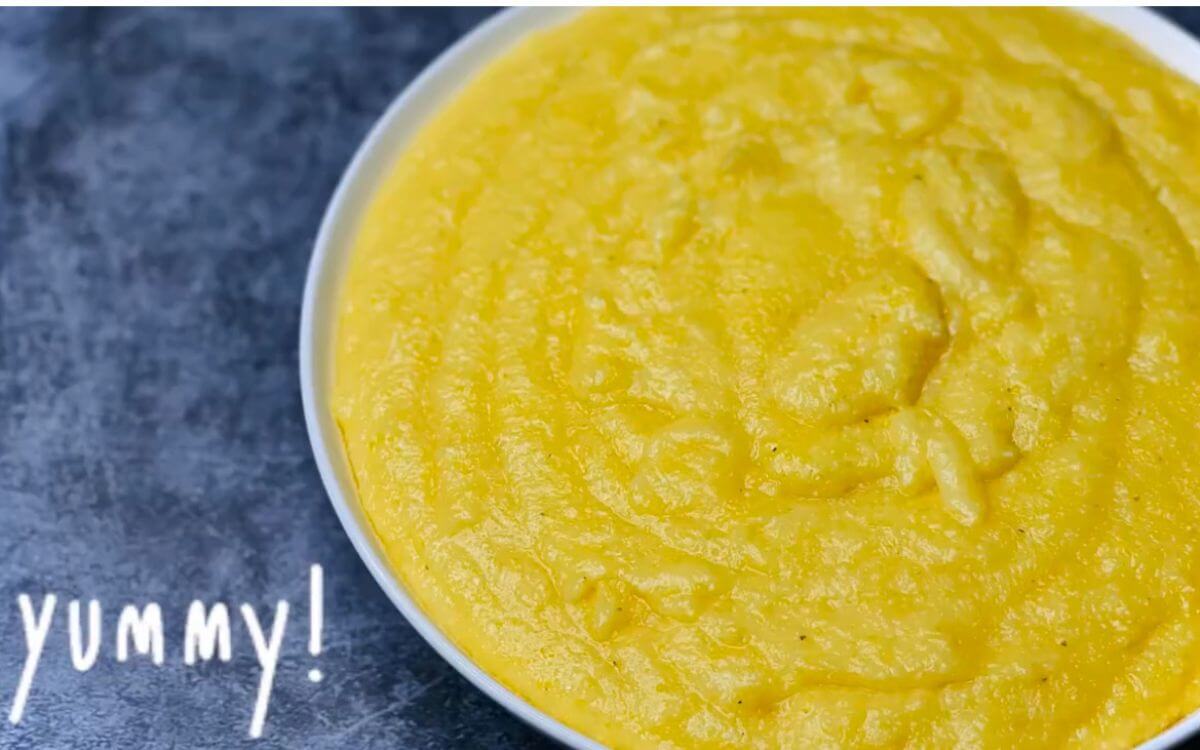
What Is Creamy Polenta Good With?
It pairs easily with meat, vegetables, cheese, eggs, or even sweet toppings. For more authentic meal ideas, check out my full Romanian recipe collection for stews and traditional mains that pair perfectly with mămăligă. The trick is keeping the textures balanced - creamy polenta with something crunchy, saucy, cheesy, or juicy on top works really well.
Romanian-Style Dishes
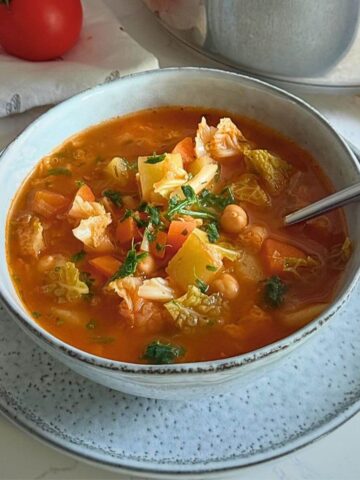
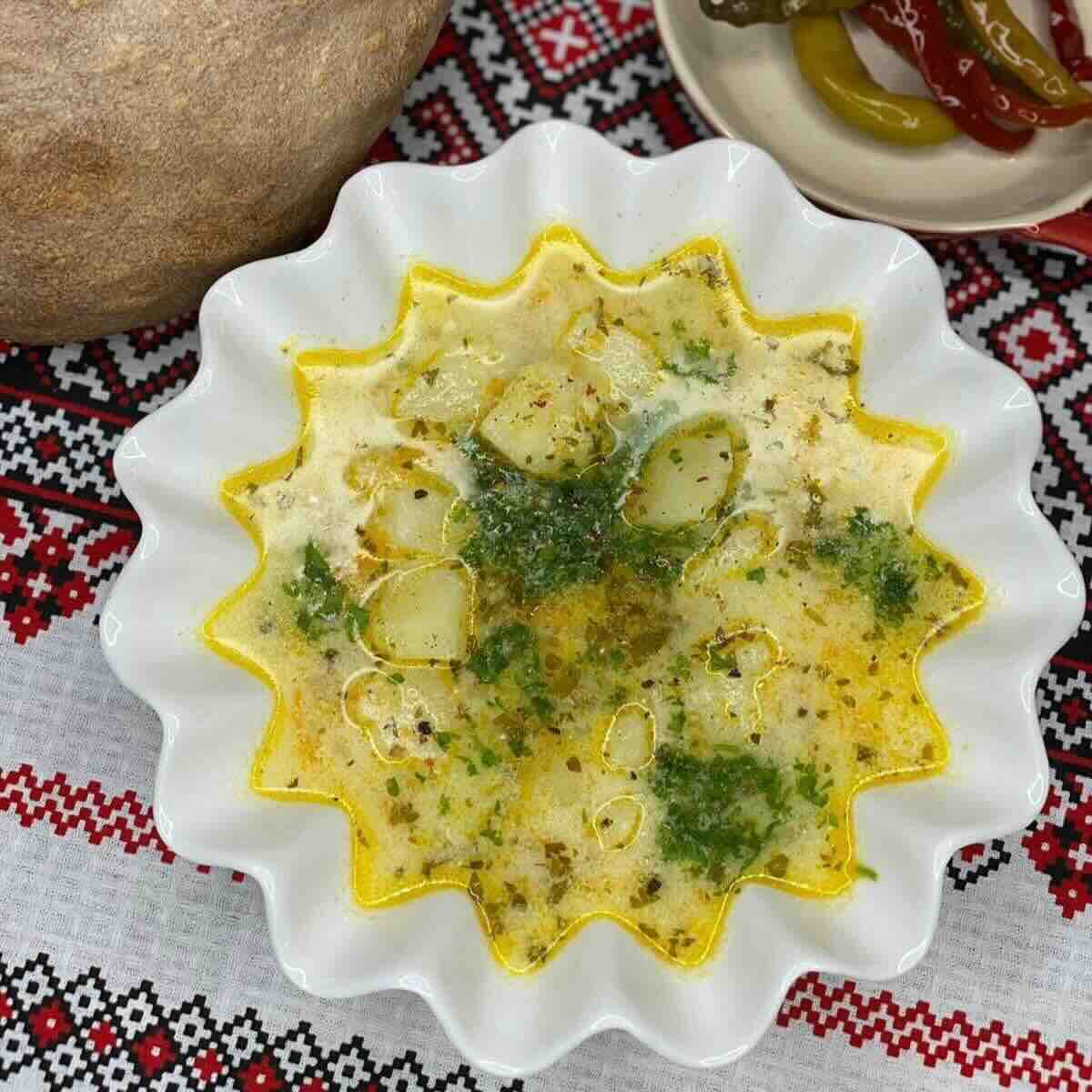
- Easy Vegan Cabbage Potato Soup
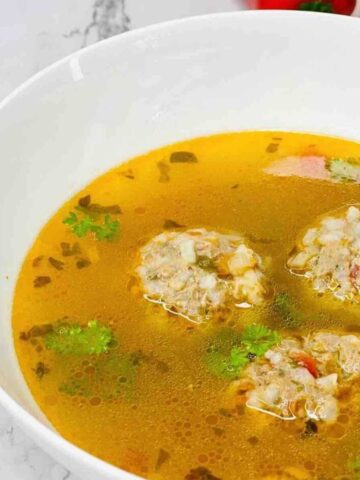
- Romanian Meatball Soup (Ciorba de perisoare)
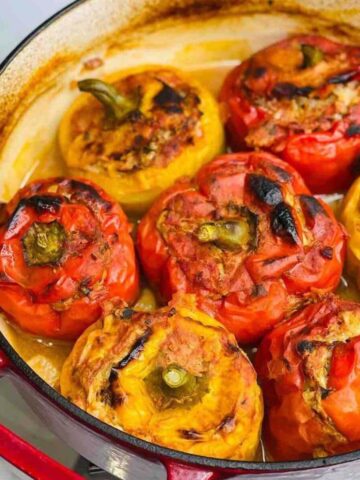
- Romanian Stuffed Peppers (Ardei Umpluți) - Easy One-Pot Recipe
- Stuffed Grape Leaves (Sarmale)
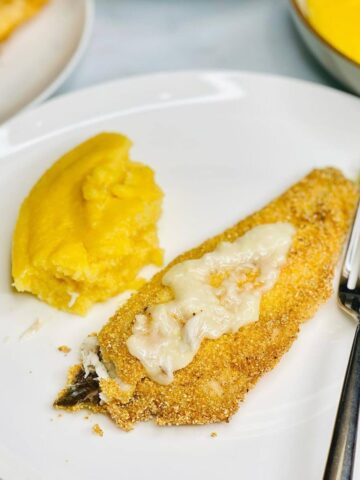
- Cornmeal Crust Fried Fish (with Polenta & Garlic Sauce)
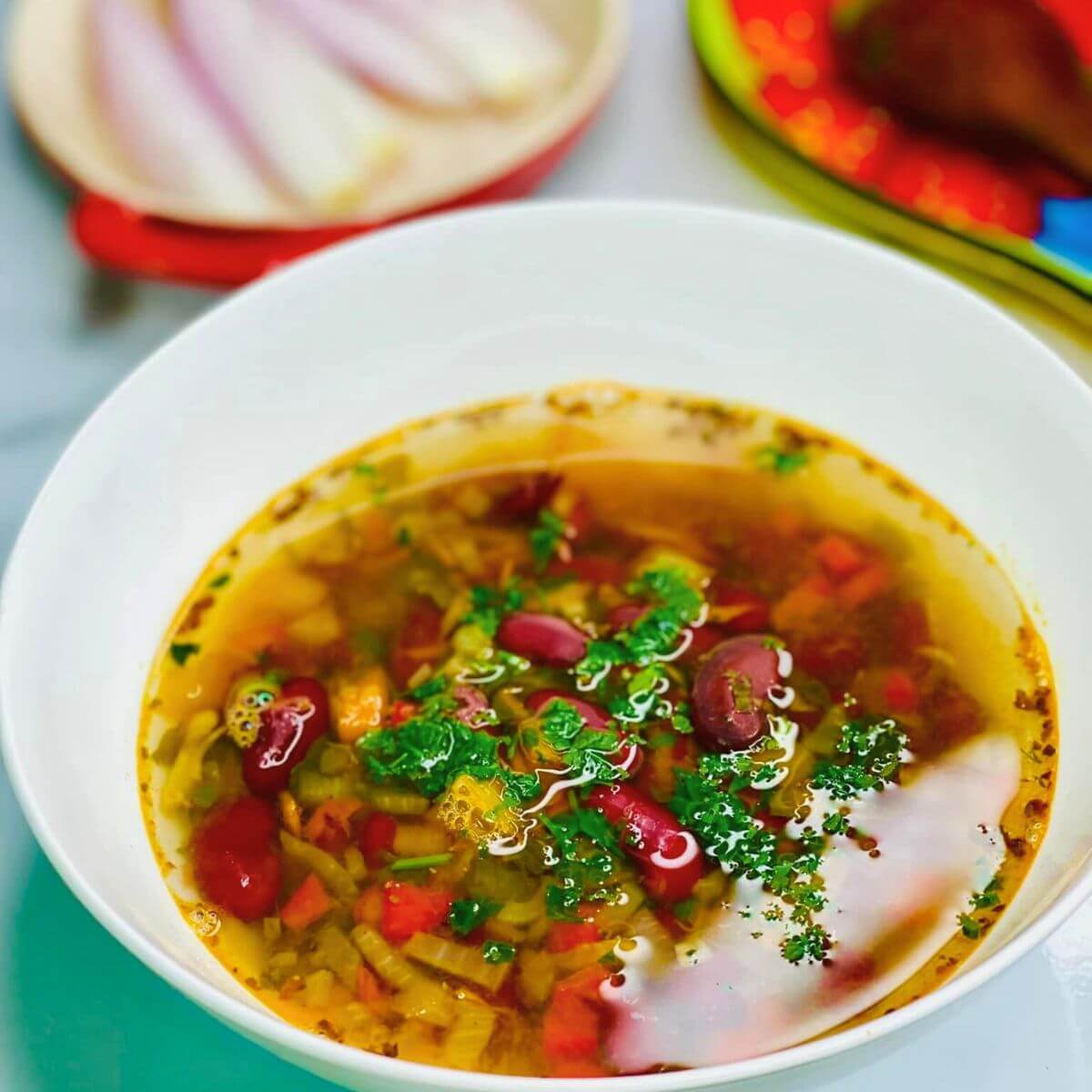
- Traditional Romanian Bean Soup (Ciorba De Fasole)
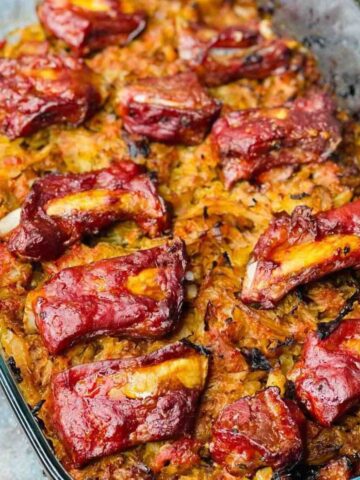
- Smoked Pork Ribs and Cabbage Casserole
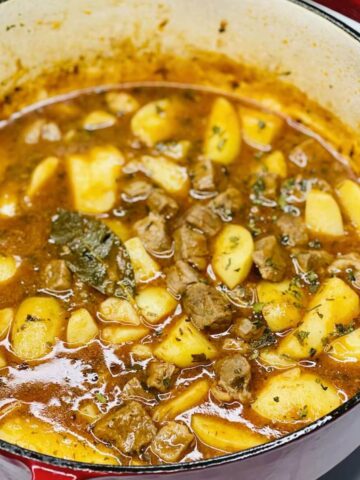
- 30-Day Aged Beef Goulash (With Authentic Goulash Paste)

Easy Weeknight Pairings - Stews, Meats, and Saucy Mains
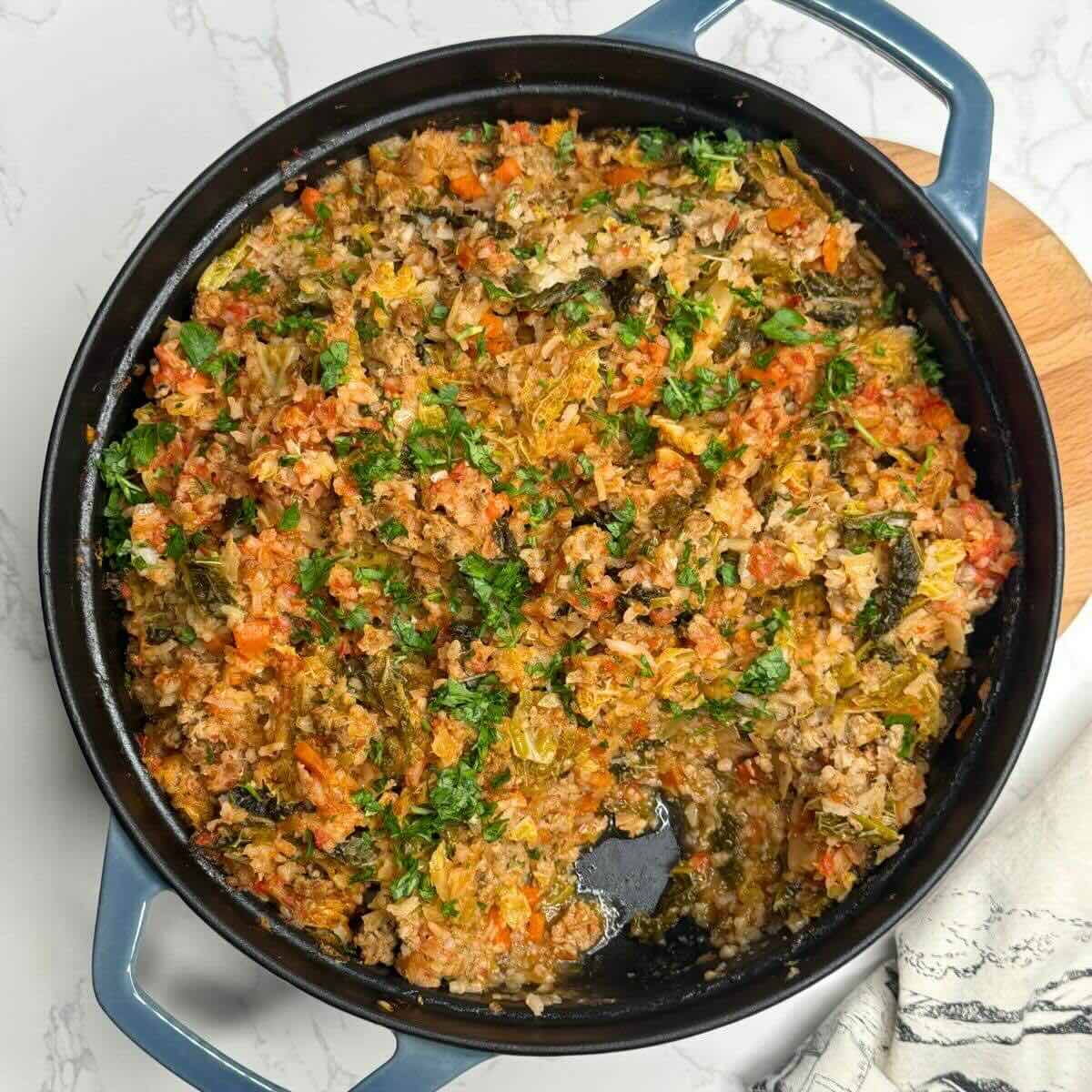
Polenta is a quick, versatile base. Spoon your veggie soup over it, top it with leftover chicken, grilled sausages, or chicken wings with garlic sauce and feta for a gooey bite, or pile on sautéed mushrooms with a cheesy sauce. It's perfect for easy dinners and pairs beautifully with cozy, skillet-style meals, like my Beef Cabbage Roll Casserole.
- Creamy Chicken with Spinach and Peppers
- Easy Recipe For Roast Chicken
- Roast Lamb stuffed with Rosemary and Garlic
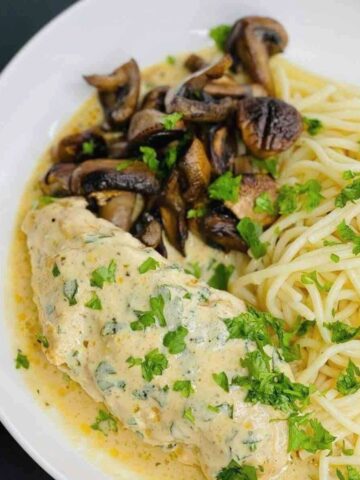
- Creamy Boursin Cheese Chicken (30-Minute One-Pan Dinner)
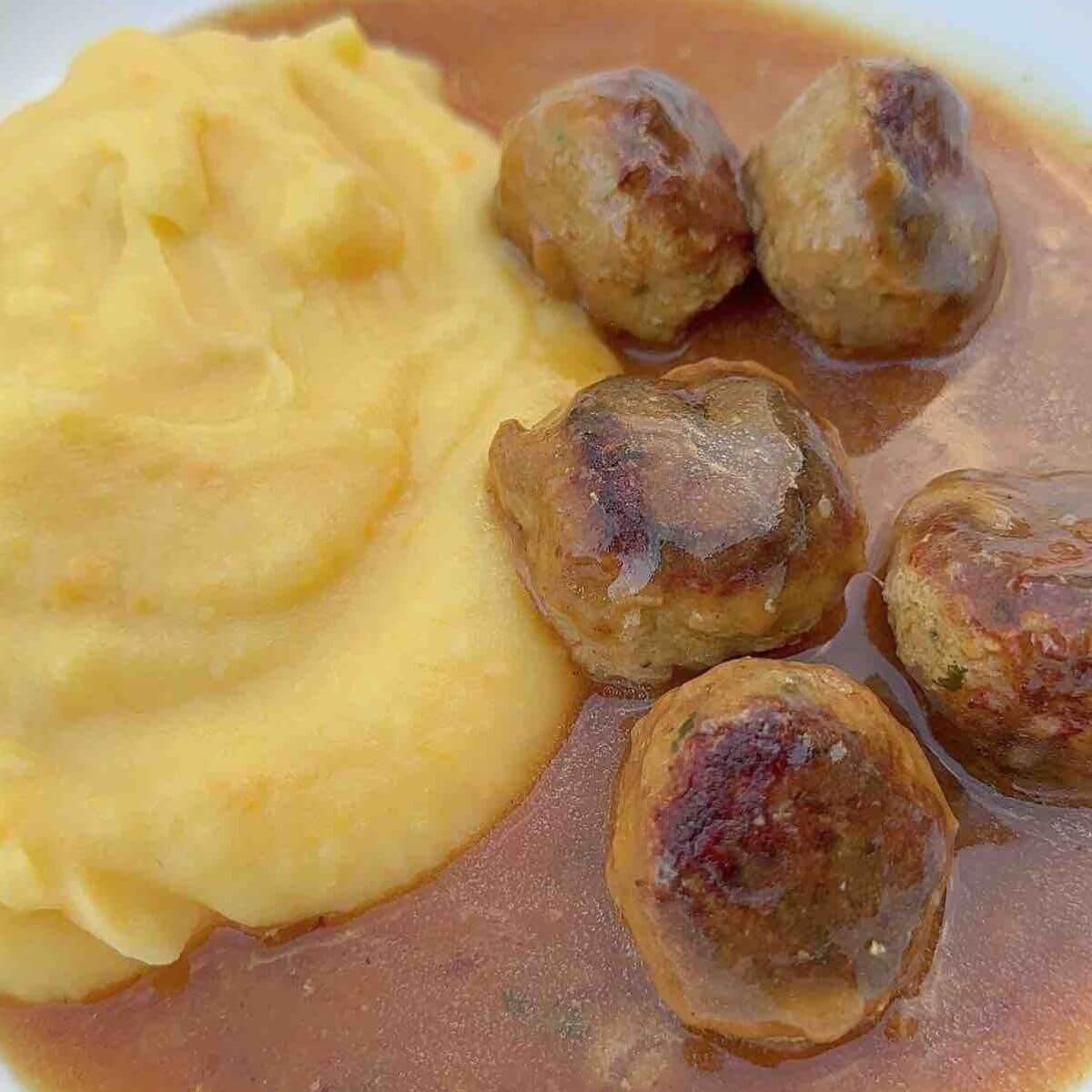
- Quick and Easy Swedish Meatballs (30-Minute Recipe)
- Romanian Stuffed Peppers (Ardei Umpluți) - Easy One-Pot Recipe
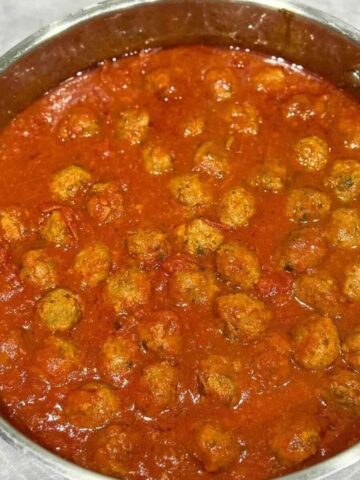
- Juicy Italian Meatballs Recipe (Our Secret Boiling Method)
- Easy Chicken in Tomato Sauce



Soups, Sides, and Veggie Toppings (Lighter/Bowl Options)


How to Make a Polenta Bowl
I like building mine in layers so it feels hearty but still easy to prep. Start with a scoop of warm polenta, then add whatever you have around - beans, roasted veggies, eggs, cheese, and a handful of fresh herbs.
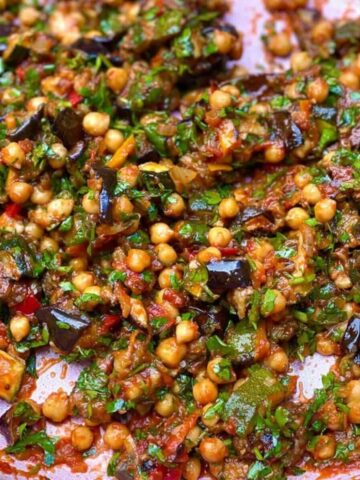
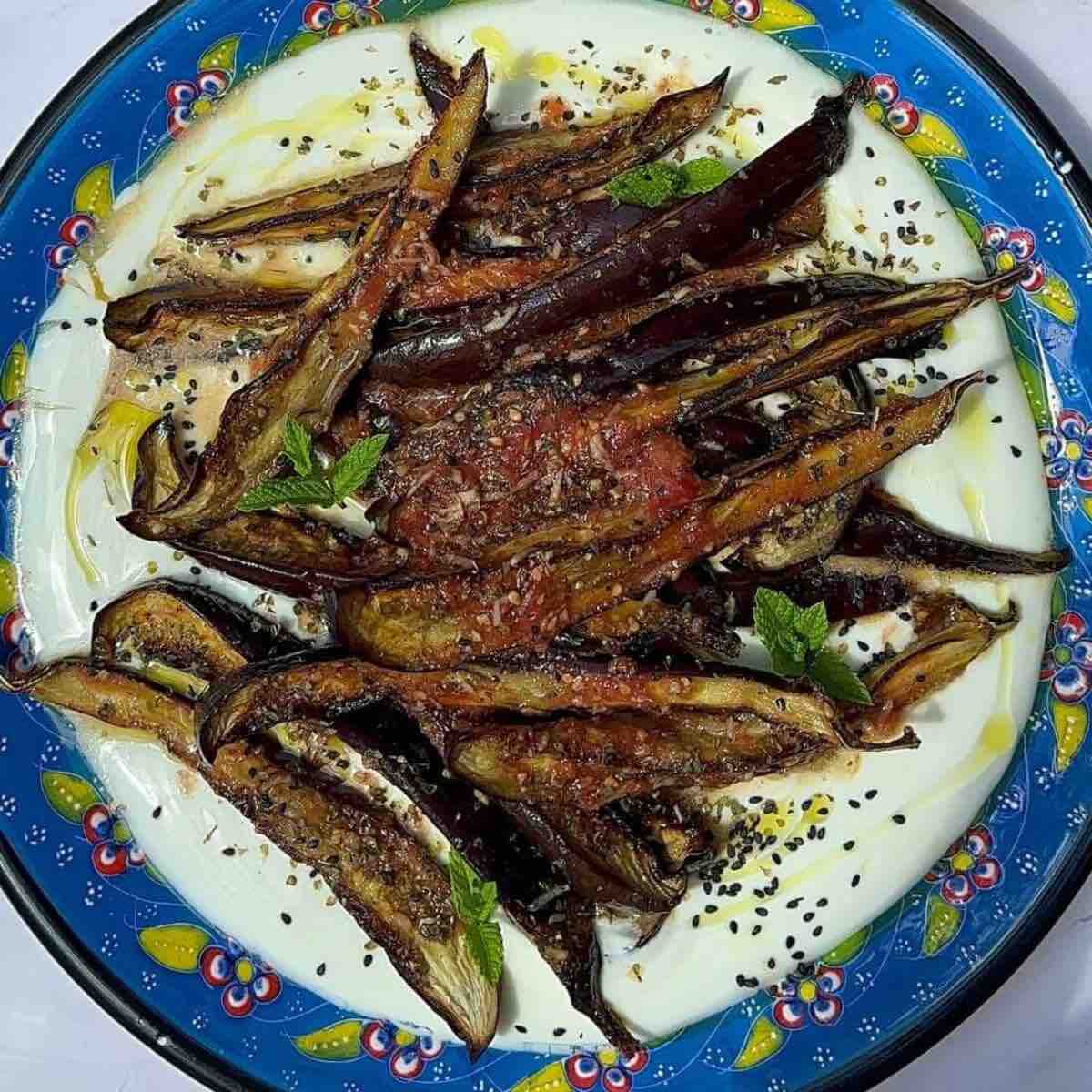
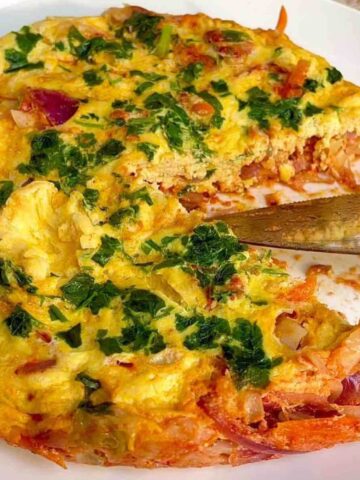
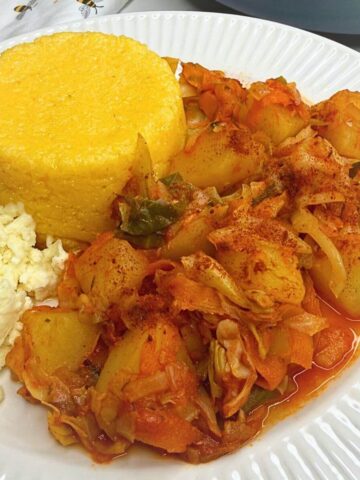
If you want something a bit more special, you can add leftovers like your easy cabbage frittata, roasted peppers from your roast peppers and chickpea stew, or even a few slices of baked eggplant with salmon. It becomes a simple, filling bowl that works any night of the week, especially with my cabbage and potato stew.



Sweet Toppings/Desserts (For Sweet Polenta)
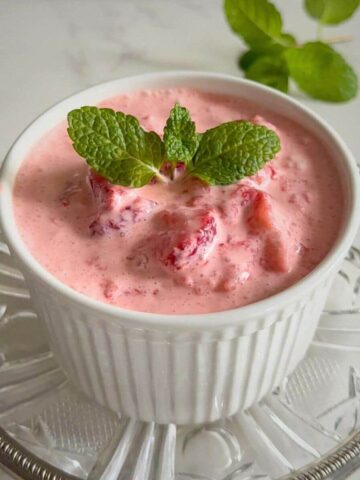

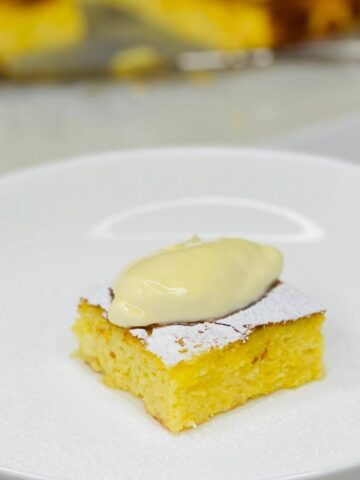
My Favourite Ways to Serve Polenta
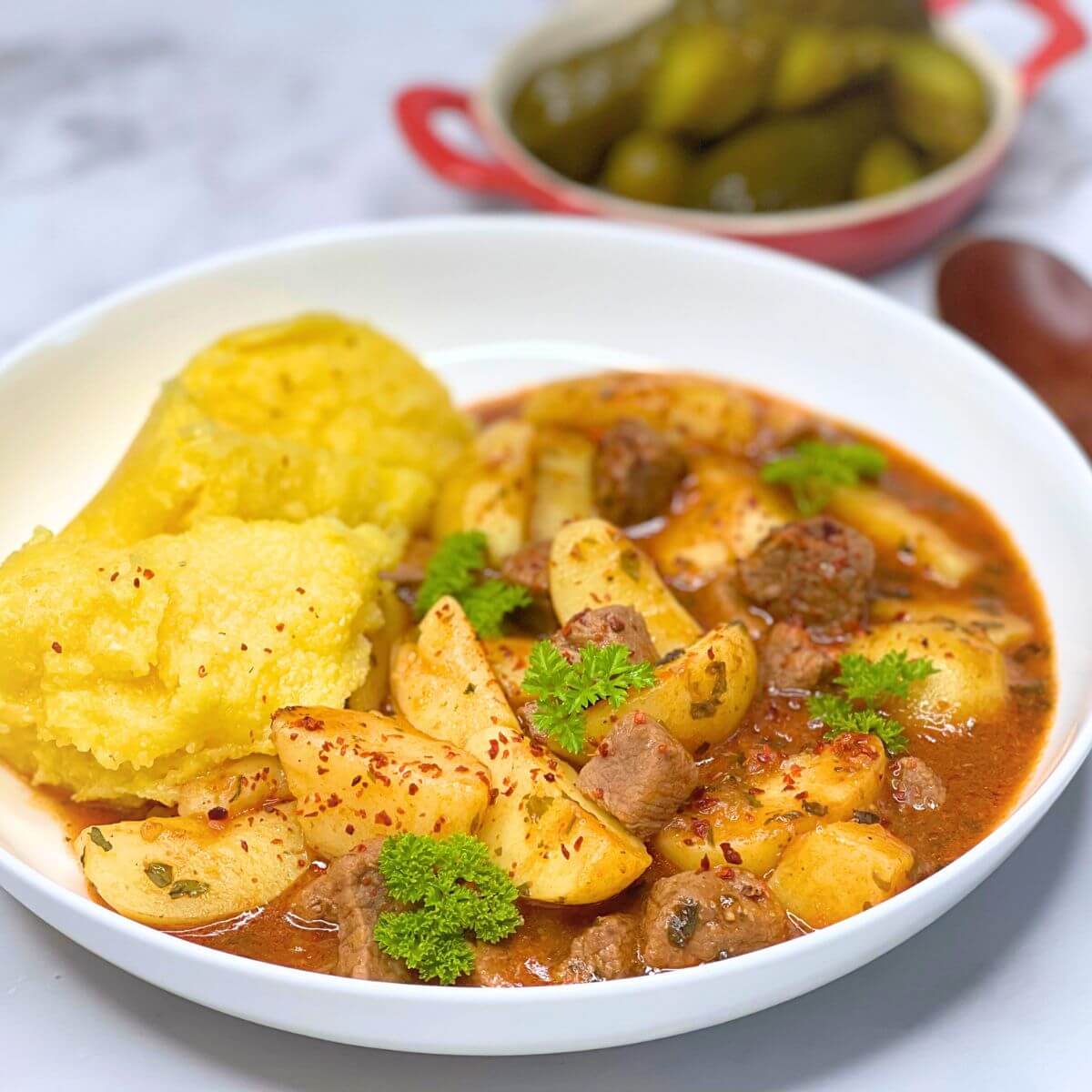
- With a hearty stew: I love serving it with Romanian-style dishes like cabbage and potato stew or slow-cooked chicken. The sauce soaks into the polenta, making every bite warm and satisfying.
- With cheese and sour cream: I grew up eating it with cheese and sour cream, and I still make it this way when I'm craving something cosy and quick. I usually mix curd cheese with sour cream and a pinch of salt - so simple and so good. A little feta or telemea crumbled on top works great too, and softens nicely from the heat. You can also keep it easy with cottage cheese. If you enjoy baking, cottage cheese is the key ingredient in the delicious Romanian polenta-based dessert known as Alivenci!
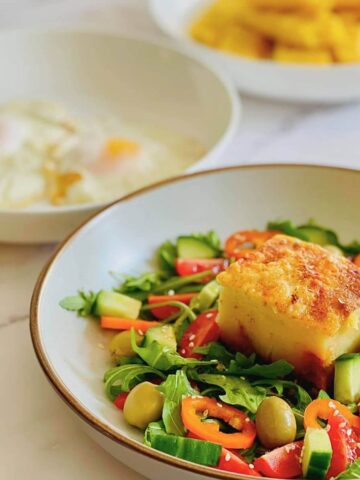
- With fried eggs: A sunny egg on a bed of soft polenta is one of my go-to lazy breakfasts. Add a spoonful of yogurt or some sautéed mushrooms if you want it a bit more special.
- With roasted or grilled veggies: I often use leftover roasted peppers, zucchini, or mushrooms from the day before. It's a simple plate that always feels comforting.
- With meatballs or roasted chicken, Polenta makes a great change from pasta or rice. I like pairing it with meatballs in tomato sauce or even a roasted chicken thigh on top.
- As a base for mushrooms: Mushrooms are perfect with polenta because they bring such a nice texture. I sometimes cook them with a bit of garlic and parsley when I want something fast.
- With stew + pickles (classic Romanian combo): If you know, you know. The mix of warm, soft polenta and crunchy pickles is so satisfying.
- With a little butter and jam: Yes, sweet polenta! When my kids were small, they loved it like this. It's simple and surprisingly good, especially when paired with a quick berry dessert sauce.
- With milk: For a quick, comforting meal, place some cold milk in a bowl. Add a dollop of hot polenta on top and simply enjoy it with a spoon. It's a fantastic, quick breakfast or snack.
- Or with Romanian bean dip, fasole bătută, which is a classic polenta side, especially during Lent.
Best Polenta Toppings and Sides
- soft cheese, feta, or grated Parmesan
- sour cream or Greek yogurt
- sautéed mushrooms
- roasted peppers
- tomato-based sauces
- stews (any kind)
- caramelised onions
- crispy bacon bits
- garlic butter
- cooked beans
- herb oil (parsley, dill, or basil)
- fried eggs or poached eggs
- pickles
Should You Serve Polenta Soft or Firm?
Both are great. Soft polenta is lovely with stews and sauces, while firm polenta is ideal when you want to slice it, grill it, or pan-fry it. I serve it soft most of the time because it's quicker and keeps its warmth longer.
Can You Prep Polenta Ahead?
Yes! I often make extra and store the leftovers in the fridge. It thickens as it cools, which means you can slice it the next day and fry it until the edges get a little crispy.
❓Polenta Frequently Asked Questions (FAQ)
While both are made from ground corn, there are three main differences: the type of corn, the process, and the origin. Polenta is traditionally made from flint corn (a hard, starchy variety) and originates in Northern Italy (and Romania, where it is called mămăligă). Grits are generally made from hominy (corn treated with alkali) and are a staple of the Southern United States.
It depends on the time you have. Instant polenta is pre-cooked and dried, requiring only 5-10 minutes of stirring. It's perfect for quick, creamy sides. Traditional polenta (coarse cornmeal) requires 30-60 minutes of slow stirring and results in a deeper, more robust taste and better texture, which is ideal for letting it cool and slice for frying.
Both! Polenta, as the name is used today, originated in Italy. However, a cornmeal mush called mămăligă has been the Romanian national dish and a staple food for centuries, served alongside almost every main course, similar to how pasta is used in Italy. In Romania, it is not a "side dish" but an essential part of the meal.
The most common and effective ratio for soft, creamy polenta is 4 parts liquid to 1 part polenta. For example, you would use 4 cups of liquid for 1 cup of cornmeal. If you prefer a slightly firmer result, you can reduce the liquid slightly to 3.5:1.
For the smoothest texture, here is a key step: Start with cold water (or cold milk/stock). Some people use milk instead of water to make the polenta creamier. Whisk the polenta flour into the cold liquid before placing it on the heat to prevent clumping.
For truly creamy polenta, try these techniques:
Whisking Secret: My best secret is using a balloon whisk when stirring, especially at the start, to ensure the grains separate completely for the smoothest result.
Add Fat: After the polenta is cooked, stir in a generous knob of butter or 1 to 2 tablespoons of vegetable oil along with cheese (like Parmesan, cream cheese, or feta).
Use a Lid: Once the polenta starts to bubble and boil, quickly add a lid. This is essential, as the drops can spit and burn you or create a mess on your stovetop. Lower the heat and let it simmer, stirring every few minutes.
Use Rich Liquid: Replace some of the water with milk or chicken/vegetable stock for extra richness.
HUNGRY FOR MORE? Subscribe to my newsletter and follow along on Facebook, Pinterest, and Instagram for the latest updates.
Romanian Recipes To Explore
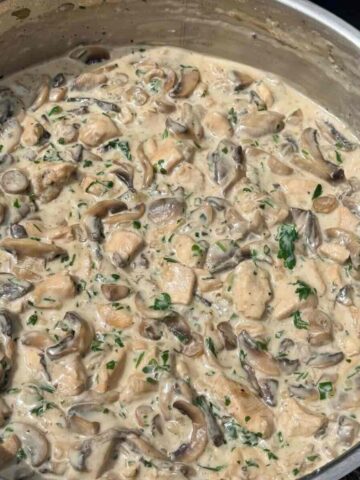
- Creamy Chicken and Mushroom Stew (Ciulama de Pui cu Ciuperci)
- Naturally Dyed Easter Eggs
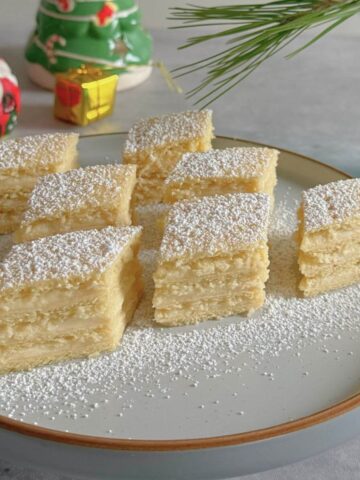
- Easy Lemon Cream Cake (Romanian Alba ca Zăpada)
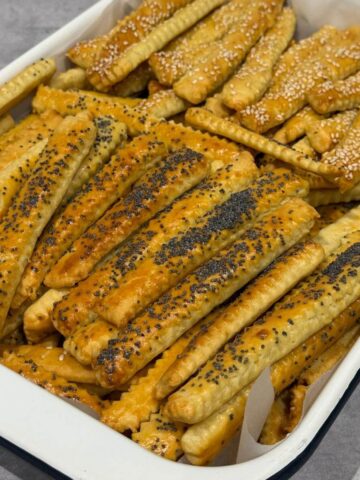
- Cheesy Breadsticks Recipe (Saratele)
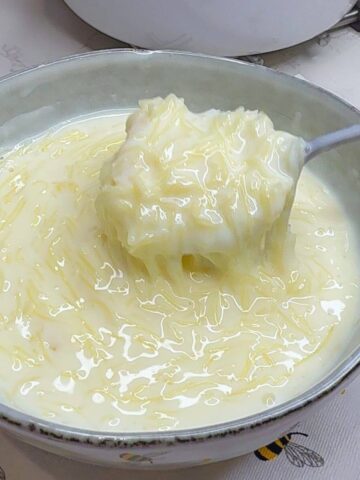
- Romanian Vermicelli with Milk - Fidea cu Lapte
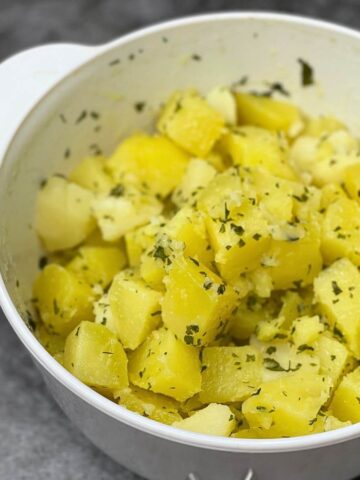
- Old Fashioned Parsley Buttered Potatoes (Cartofi Natur)
- Easy Moussaka with Mashed Potatoes (No-Eggplant Recipe)
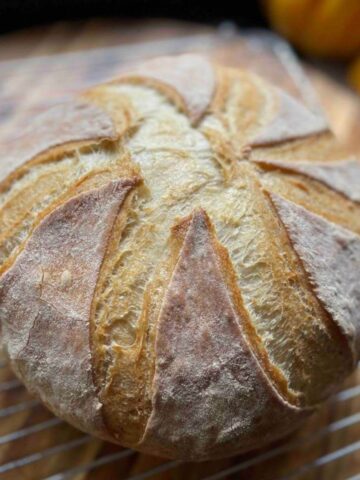
- Romanian House Bread (Paine de casa): An Easy Rustic Recipe

Gia says
This post was so insightful and gave so many great recommendations! Saving it for future reference for more ideas!
Raven says
This polenta guide is super cozy and comforting. Creamy, warm, and perfect as a base for all your favorite toppings.
Nikky says
The polenta itself was so good. I love all the pairing suggestions you gave us, too. I had no idea you could serve it with so many different foods!
Ben says
This was really good. I love polenta, and having so many options was great. We loved it with your roasted chicken.
Eric says
This is wonderful - I bought a huge bag for a recipe, and didn't know what else to do with it! Your sweet ideas really caught my eye! Can't wait to try a bunch of the recipes!
Mayumi says
Such a lovely guide, easy to follow, and delicious. I made the polenta, my first time and it was delicious. Thank you!
Nicole says
I really loved all of these suggestions. I made it with your roasted chicken. SO GOOD!
Liz says
So yummy and comforting! And iit was a delicious change of pace from our usual potato and rice sides!
sabrina says
I tried polenta a few times, but I had no idea you could serve it in so many ways! Grabbing some ideas for tonight's dinner!
Jones says
These are really wonderful way to serve polenta, loved it, great family dish. Thanks for sharing
Michele Peterson says
I had no idea there were so many ways to prepare and serve polenta. Lots of inspiration here!
Jessica says
Great guide and great recipes! The polenta came out perfectly, and we loved it with your meatballs. Yum!
Jeanne says
This was such a great guide. I made some polenta last night with your roasted chicken, and we loved it.
Tonia says
I've never attempted a polenta before, but you made it so easy! It was delicious!
Nora Nora says
Such a lovely guide! Your serving ideas make polenta feel so cozy and versatile. I love how you blend Romanian tradition with everyday, family-friendly tips. So inspiring!